

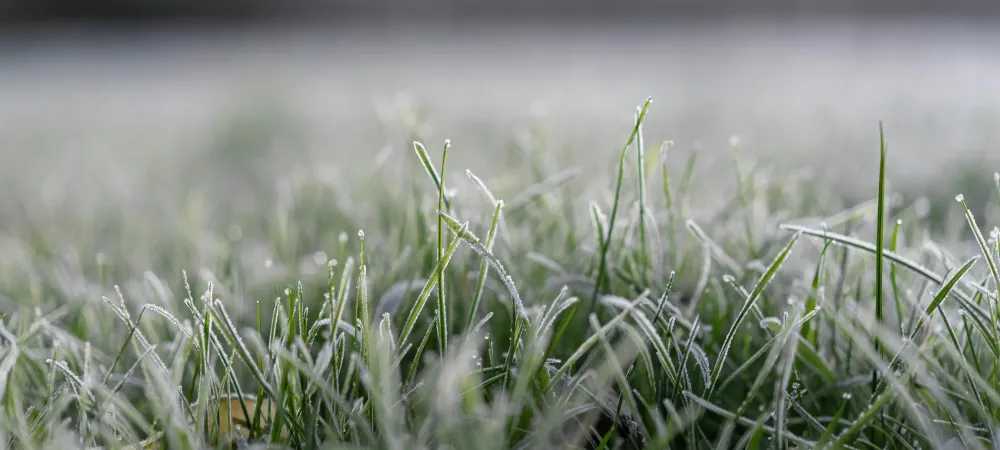
Late Spring Freeze Causes Widespread Plant Damage Across Northern Virginia
Over the past couple of weeks, we have received a large number of calls from customers and homeowners concerned about browning leaves, blackened growth, delayed budding, and what appears to be dying landscape plants. In many cases, the culprit is the late spring freeze we experienced earlier this season.
Interestingly, much of the damage did not appear immediately after the freeze. Instead, symptoms began showing up 1–3 weeks later and damaged much of the new tender growth. We are seeing the heaviest damage in areas west of the I-95 corridor, where temperatures were generally colder and remained below freezing for a longer duration.
Plants Most Commonly Affected
Several ornamental trees and shrubs were particularly vulnerable because they had already broken dormancy and produced tender new growth during the warm early spring weather. Some of the most commonly affected plants include:
- Crape Myrtles
- Hollies
- Japanese Maples
- Magnolias
- Hydrangeas
- Other tender perennials and ornamentals
Many homeowners are noticing curled leaves, blackened foliage, wilted branch tips, or sparse leaf-out. While the damage can certainly look alarming, the good news is that most of these plants are expected to recover with time and warmer weather.
What Happened?
This spring brought unusually warm temperatures early in the season, encouraging plants to break dormancy ahead of schedule. When the late freeze arrived, the tender new tissue was highly susceptible to cold injury. Plants that were more exposed to wind or located in lower-lying areas often experienced the worst damage.
Because established root systems remain healthy in most cases, many plants are now beginning to push out secondary buds and fresh growth.
What To Expect Moving Forward
Crape Myrtles
Crape myrtles were hit especially hard in some neighborhoods. Many have delayed leaf-out or dead-looking branch tips. Fortunately, crape myrtles are resilient plants and will likely recover during the summer months. However, bloom production may be lighter than normal this year as the plants redirect energy into regrowth and recovery.
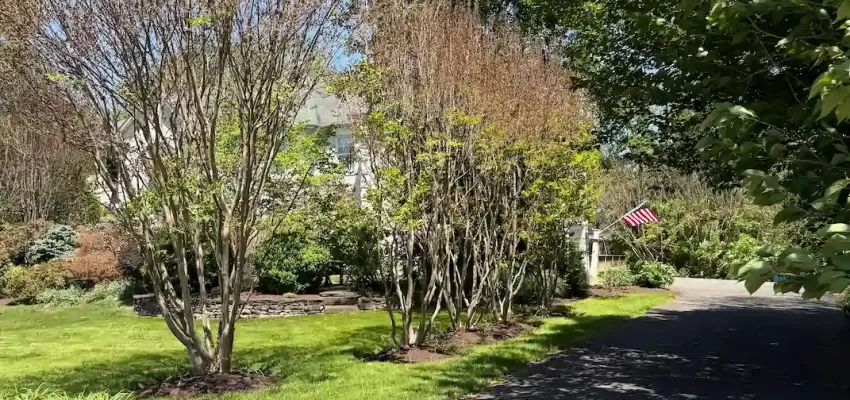
Japanese Maples & Magnolias
Japanese maples and magnolias often show scorched leaves and damaged new shoots after late freezes. While the foliage may look rough for a while, healthy trees should continue to produce new growth as temperatures stabilize.
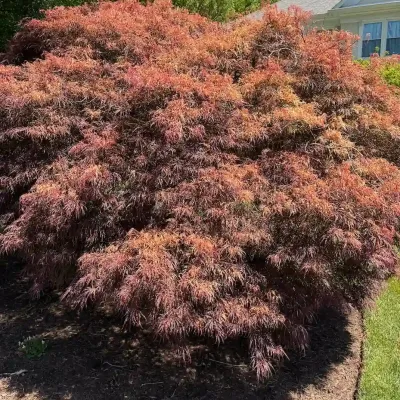
Hydrangeas & Perennials
Tender perennials such as hydrangeas experienced freeze burn on fresh spring growth. In many cases, a light pruning of the damaged tissue can help encourage new shoots and improve appearance. Avoid heavy pruning until plants have had time to fully respond.
Our Recommendations
If your landscape plants were affected by the freeze, patience is often the best approach. Here are a few recommendations:
- Give plants time to recover before assuming they are dead
- Avoid excessive fertilization during stress recovery
- Continue watering during dry periods to reduce additional stress
- Lightly prune dead or damaged perennial growth once new growth begins emerging
- Wait before removing shrubs or trees that appear slow to leaf out
At NuLeaf Lawn Care, we are continuing to monitor landscapes throughout the region and helping customers evaluate freeze-related damage. In most cases, nature is already beginning the recovery process.
If you have concerns about specific plants on your property, our team is happy to help assess the damage and provide recommendations for recovery and long-term plant health.